Calendula: The Companion Plant That Does It All
Calendula: The Companion Plant That Does It All
Calendula is a beautiful, easy-to-grow flower that has many benefits for the garden. It is a great companion plant for a variety of vegetables, and it can also be used for medicinal purposes.
In this blog post, we will discuss the many benefits of calendula, and how to grow it in your garden. We will also provide some tips on how to use calendula for medicinal purposes.
Benefits of Calendula
- Attracts pollinators: Calendula is a magnet for bees, butterflies, and other pollinators. This is beneficial for your garden because pollinators help to pollinate your plants, which leads to more fruits and vegetables.
- Repels pests: Calendula has a strong scent that can repel pests such as aphids, beetles, and nematodes. This can help to protect your plants from damage.
- Improves soil health: Calendula is a nitrogen-fixing plant, which means that it can help to improve the nitrogen levels in your soil. This can benefit all of the plants in your garden.
- Has medicinal properties: Calendula has a number of medicinal properties, and it has been used for centuries to treat a variety of ailments. It can be used to treat wounds, burns, eczema, and other skin conditions. It can also be used to relieve pain and inflammation.
How to Grow Calendula
Calendula is a relatively easy plant to grow. It prefers full sun and well-drained soil. It can be grown from seed or from transplants.
If you are growing calendula from seed, sow the seeds directly in the garden in early spring. The seeds should germinate in about 10-14 days.
If you are growing calendula from transplants, plant the transplants in the garden after the last frost.
Calendula is a low-maintenance plant, and it does not require a lot of water. It is a good idea to deadhead the flowers regularly to encourage more blooms.
Tips for Using Calendula for Medicinal Purposes
Calendula can be used fresh or dried. To use fresh calendula, simply crush the leaves and apply them to the affected area. To use dried calendula, make a tea by steeping 1-2 teaspoons of dried calendula flowers in 1 cup of hot water for 10-15 minutes.
Calendula can also be used in salves, creams, and ointments. To make a calendula salve, combine 1/2 cup of melted beeswax, 1/4 cup of olive oil, and 1 tablespoon of dried calendula flowers. Heat the ingredients over low heat until the beeswax melts. Pour the mixture into a jar and let it cool.
Conclusion
Calendula is a versatile plant that has many benefits for the garden. It is a great companion plant for a variety of vegetables, and it can also be used for medicinal purposes. If you are looking for a low-maintenance plant that is both beautiful and beneficial, calendula is a great choice.
Calendula is a beautiful and versatile plant that can be used in a variety of ways. It is also a great companion plant for many other vegetables and flowers. If you are looking to attract pollinators, deter pests, or improve the health of your garden, then calendula is a great choice.
Here are some of the benefits of using calendula as a companion plant:
- Attracts pollinators. Calendula is a magnet for bees, butterflies, and other pollinators. This is beneficial because pollinators help to pollinate other plants in your garden, which can lead to increased yields.
- Deters pests. Calendula has a strong scent that can deter pests such as aphids, nematodes, and tomato hornworms. This can help to protect your other plants from damage.
- Improves soil health. Calendula helps to improve the health of the soil by breaking down organic matter and releasing nutrients. This can benefit all of the plants in your garden.
If you are interested in learning more about companion planting with calendula, I recommend visiting Gardenia Inspiration. This website has a wealth of information on the topic, including a list of companion plants that are compatible with calendula.
FAQ of companion plant calendula
Q1: What is calendula a good companion plant for?
A: Calendula is a great companion plant for a variety of vegetables, including asparagus, beans, broccoli, Brussels sprouts, carrots, cucumbers, potatoes, pumpkins, and tomatoes. It can help to repel pests, attract beneficial insects, and improve soil health.
Q2: What are the benefits of companion planting with calendula?
A: There are many benefits to companion planting with calendula. Some of the most notable benefits include:
- Repels pests: Calendula can help to repel pests such as aphids, beetles, and spider mites.
- Attracts beneficial insects: Calendula attracts beneficial insects such as ladybugs, hoverflies, and bees. These insects help to control pests and pollinate flowers.
- Improves soil health: Calendula helps to improve soil health by breaking down organic matter and releasing nutrients.
- Discourages diseases: Calendula can help to discourage diseases such as powdery mildew and black spot.
Q3: How do I plant calendula as a companion plant?
A: When planting calendula as a companion plant, there are a few things to keep in mind:
- Choose the right location: Calendula prefers full sun and well-drained soil.
- Plant calendula near the plants it will benefit: For example, plant calendula near beans to repel aphids.
- Space the plants properly: Calendula plants should be spaced about 12 inches apart.
Q4: How do I care for calendula as a companion plant?
A: Calendula is a relatively low-maintenance plant. However, there are a few things you can do to care for it properly:
- Water regularly: Calendula needs regular watering, especially during hot, dry weather.
- Fertilize occasionally: Calendula does not need to be fertilized often, but you can fertilize it with a light application of compost or manure once a month.
- Deadhead flowers: Deadheading calendula flowers will encourage the plant to produce more flowers.
Q5: What are some common problems with calendula as a companion plant?
A: There are a few common problems that can occur with calendula as a companion plant, including:
- Aphids: Aphids can be a problem for calendula plants, but they can be controlled with insecticidal soap or neem oil.
- Powdery mildew: Powdery mildew can be a problem for calendula plants in humid climates. You can prevent powdery mildew by watering the leaves of the plant in the morning so that they dry quickly.
Image of companion plant calendula
5 different images of "companion plant calendula" from Pinterest:
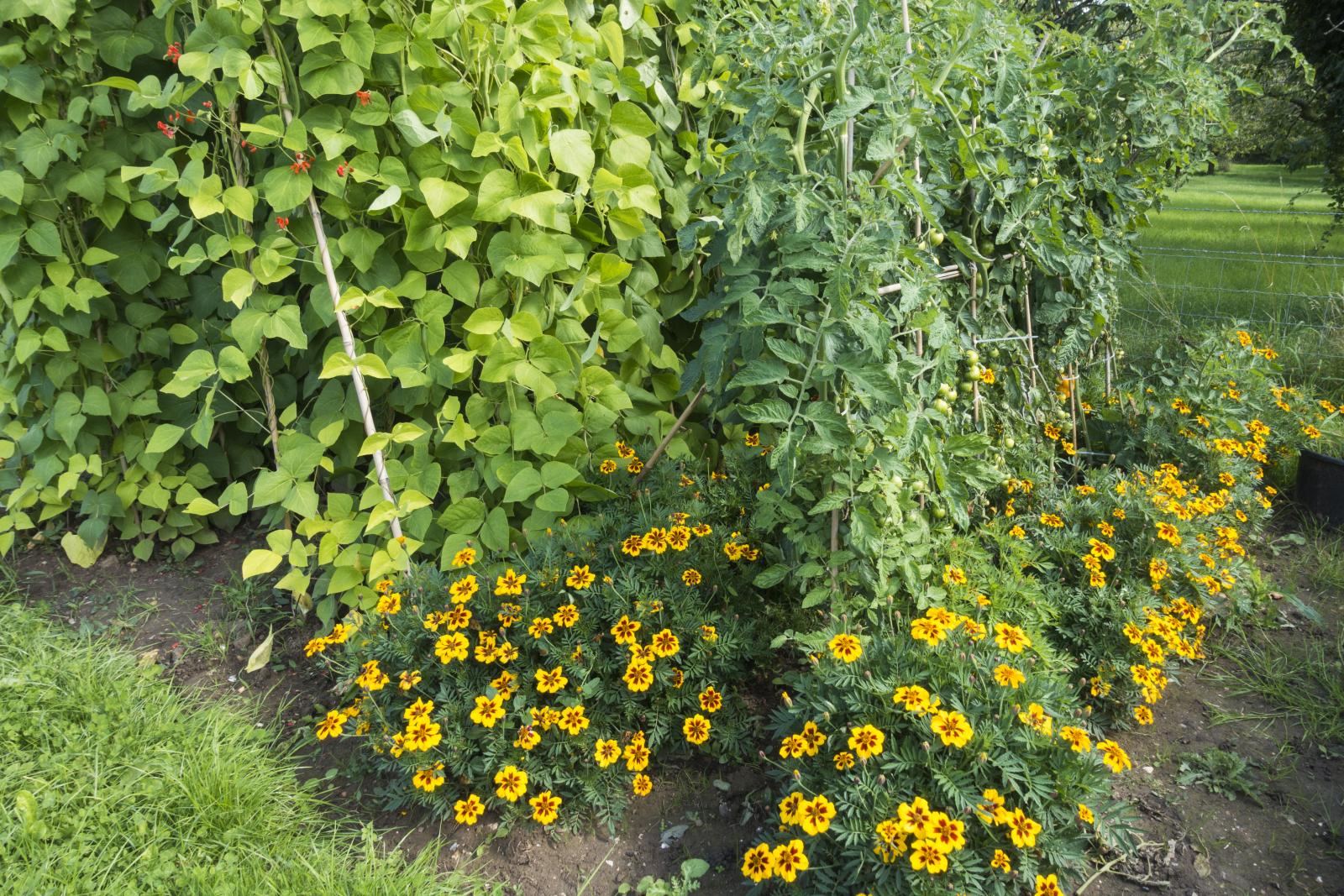
- Image 1: Calendula and tomatoes. Calendula is a great companion plant for tomatoes because it helps to deter pests, such as tomato worms and nematodes.
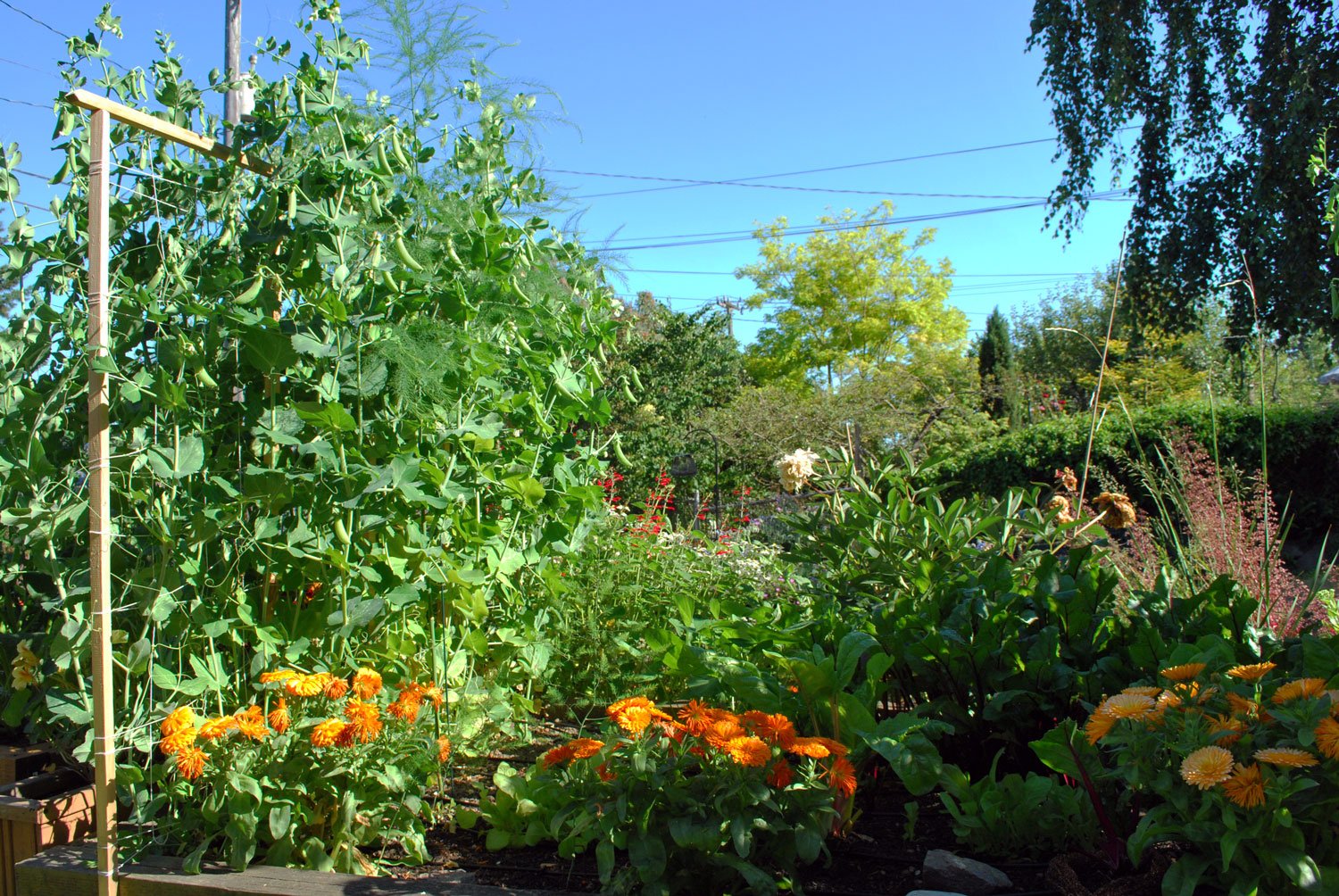
- Image 2: Calendula and beans. Calendula also helps to attract beneficial insects, such as ladybugs, which prey on pests.
- Image 3: Calendula and carrots. Calendula can help to improve the flavor of carrots.

- Image 4: Calendula and cucumbers. Calendula can help to repel cucumber beetles.
- Image 5: Calendula and potatoes. Calendula can help to prevent potato blight.

Post a Comment for "Calendula: The Companion Plant That Does It All"